
Smart business attire creates a professional appearance without requiring the most formal corporate wardrobe. It generally combines tailored, well-fitted clothing with polished footwear and understated accessories, giving you a look that feels confident and appropriate for a professional setting. The exact expectations can vary between workplaces, so understanding the environment is just as important as choosing individual garments.
For many people, the challenge is finding the right balance between looking professional and avoiding an outfit that feels unnecessarily formal. A thoughtful combination of structured pieces, classic colours and clean styling can create a versatile wardrobe for office days, meetings, presentations and interviews. The aim is to look prepared and polished while still feeling comfortable enough to focus on the work itself.
What Is Smart Business Attire?
Smart business attire is a professional dress style that sits between highly formal corporate clothing and more relaxed workplace dressing. It normally involves structured, well-maintained garments that create a neat appearance without always requiring a complete traditional suit. Tailored trousers, blazers, crisp shirts, professional dresses and polished shoes are common choices for this type of dress code.
The most important principle is consistency. Clothing should fit well, look clean and suit the professional environment. Neutral or classic colours can make outfits easier to coordinate, while subtle patterns and tasteful accessories can add personality. Since workplace expectations differ, it is useful to consider the company’s culture, the occasion and the people you are likely to meet before choosing an outfit.
Key Elements of Smart Business Attire
A strong professional wardrobe begins with versatile pieces that can be combined in several ways. For men, this may include tailored trousers, a well-fitted blazer, an Oxford or button-down shirt and polished leather shoes. A suit can also be appropriate when the setting is more formal, while a separate blazer and trousers can create a slightly less corporate appearance.
For women, suitable options can include tailored trousers, professional skirts, structured dresses, blouses and coordinated jackets. Closed-toe court shoes, loafers or elegant flats can complete the outfit, while a structured handbag and understated jewellery can add a refined finishing touch. The overall appearance should feel coordinated rather than overly decorated, with each piece contributing to a clean professional look.
Smart Business Attire for Men
Men can create a polished professional wardrobe with a relatively small collection of reliable staples. A tailored suit is useful for formal meetings and important occasions, while a blazer with smart trousers can offer more flexibility. Crisp white, pale blue and other restrained shirt colours are particularly easy to coordinate with classic trousers and jackets.
Footwear can make a significant difference to the overall appearance. Polished leather dress shoes or smart loafers generally complement professional clothing more effectively than casual trainers. A tie may be suitable when the workplace or occasion calls for greater formality, although it is not necessarily required in every business-smart environment. The supplied search results similarly highlight suits, blazers, tailored trousers, classic shirts and polished footwear as key elements.
Smart Business Attire for Women
Women have several options when creating a professional wardrobe, making it possible to combine practicality with personal style. Tailored trousers, knee-length or longer skirts, structured dresses and coordinated blouses can all work well. Adding a tailored blazer can make an outfit feel more structured, particularly for meetings, presentations or occasions where a more polished appearance is expected.
Footwear and accessories should complement rather than dominate the outfit. Closed-toe court shoes, elegant flats and loafers can provide a professional foundation, while a structured handbag and minimal jewellery can complete the look. The supplied SERP material identifies tailored dresses, skirts, trousers, coordinated tops, blazers and polished accessories as common choices for women.
Smart Business Attire for Interviews
An interview is one situation where it is usually sensible to take the dress code seriously. Your clothing should look clean, well-fitted and appropriate for the organisation. A conservative shirt, blouse, tailored trousers, suit, blazer or professional dress can provide a dependable foundation. Avoiding distracting designs and visibly worn garments can help keep attention on the conversation.
Before an interview, consider the company’s workplace culture rather than relying on one universal definition. A traditional professional organisation may expect a more formal outfit, while a modern workplace could have a more relaxed interpretation. If you are uncertain, researching the organisation’s public-facing image or asking the recruitment contact about the expected dress code can help you make a more informed choice.
Understanding the Smart Business Attire Dress Code
Smart business attire can sometimes be confused with business casual or smart casual, but these terms are not always used consistently. Business casual generally allows a more relaxed approach, while smart casual can extend even further towards informal clothing. Smart business dressing usually keeps a stronger emphasis on structure, tailoring and professional presentation.
The right outfit can also depend on what you are doing that day. A client presentation may call for a blazer and more formal footwear, whereas an ordinary office day might allow tailored separates. Meetings, interviews, conferences and networking events can each have different expectations. When the wording of a dress code is unclear, observing established workplace norms is often a practical way to understand what is considered appropriate.
Common Smart Business Attire Mistakes to Avoid
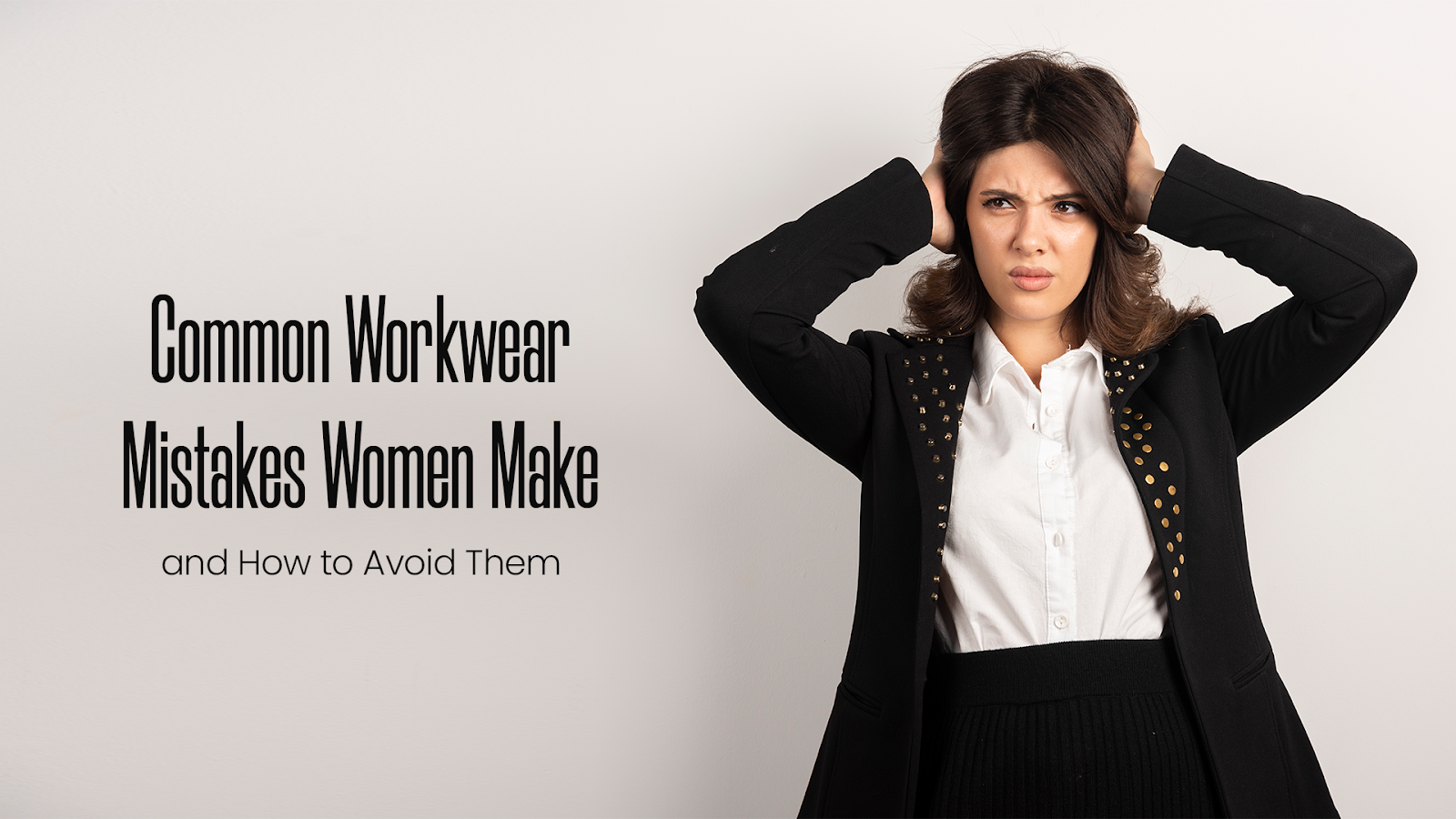
One of the most common mistakes is choosing clothing that does not fit properly. Even an expensive garment can look unsuitable if it is excessively loose, tight or poorly proportioned. Smart Business Attire issue is condition: creased shirts, scuffed shoes, missing buttons and worn fabrics can undermine an otherwise professional outfit. Basic maintenance can therefore be just as important as the clothes themselves.
It is also possible to go too far in either direction. Very casual trainers, distressed denim or informal tops may look out of place in a more traditional setting, while an overly formal outfit can feel unnecessary in a relaxed office. Excessive jewellery, loud patterns and distracting accessories can also take attention away from the professional appearance you are trying to create.
How to Build a Versatile Professional Wardrobe
A practical wardrobe does not need dozens of garments. Start with a few pieces that can work together, such as tailored trousers, a smart blazer, neutral shirts or blouses, a professional dress and versatile footwear. Choosing complementary colours makes it easier to create several outfits without constantly buying new clothes.
Quality and fit should also guide your choices. A simple garment that fits properly can look more polished than a complicated outfit that does not sit correctly. Consider your normal working environment, climate and daily routine when selecting fabrics and layers. The best wardrobe is one that allows you to move comfortably through meetings, office hours and professional events while maintaining a consistently neat appearance.
Conclusion
Smart business attire is ultimately about creating a professional appearance through well-fitted clothing, thoughtful combinations and polished finishing touches. Tailored trousers, blazers, shirts, professional dresses, suitable footwear and restrained accessories can all contribute to a balanced look. The exact combination should reflect the workplace, occasion and level of formality expected.
For both men and women, the simplest approach is to prioritise fit, cleanliness, coordination and context. Once you understand your workplace’s expectations, it becomes much easier to build reliable outfits for everyday office wear, meetings and interviews. Rather than following one rigid formula, use the principles of professional dressing to create a wardrobe that feels polished, practical and authentic to your personal style.
Frequently Asked Questions
What is smart business attire?
Smart business attire is polished professional clothing that typically combines tailored, well-fitted pieces with appropriate footwear and understated accessories.
What should women wear for smart business attire?
Women can consider tailored trousers, professional skirts, structured dresses, blouses, blazers, elegant flats or court shoes.
What should men wear for smart business attire?
Men can choose tailored trousers, blazers or suits, crisp shirts and polished leather shoes, with a tie depending on the setting.
Is a blazer required for smart business attire?
A blazer is not always required, but it can add structure and make an outfit look more polished and professional.
Can you wear jeans with smart business attire?
Jeans may be acceptable in some relaxed workplaces, but the company’s specific dress code should determine whether they are appropriate.
What is smart business attire for an interview?
For an interview, choose clean, well-fitted and professional clothing that reflects the organisation’s expected level of formality.
What shoes are suitable for smart business attire?
Polished dress shoes, loafers, court shoes and elegant flats are common choices for professional outfits.
What is the difference between smart business attire and business casual?
Smart business attire generally has a more structured and polished appearance, while business casual typically permits more relaxed clothing.
Also Read: doctor of business administration