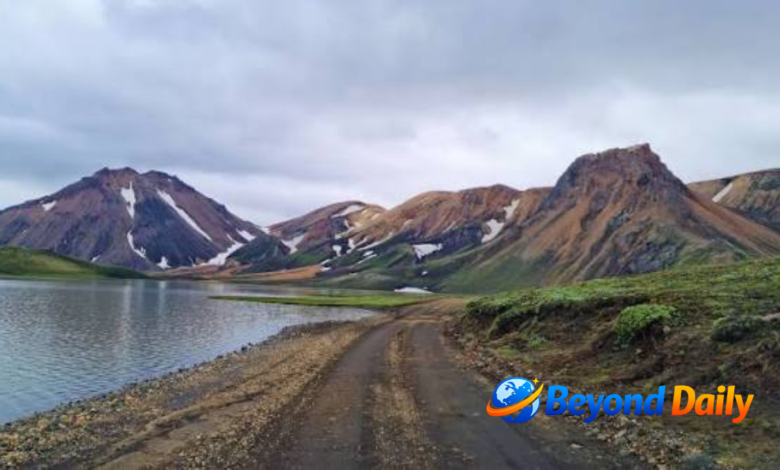
F Roads are a unique network of mountain tracks that lead travellers deep into Iceland’s spectacular Highlands. Unlike ordinary roads, these rugged routes cross volcanic landscapes, lava fields, black sand deserts and remote valleys that are inaccessible by standard vehicles. The letter “F” stands for Fjallvegur, meaning mountain road, and these roads are designed for adventurous journeys rather than everyday travel. Learning about f roads iceland is the first step towards planning a safe and memorable Highland adventure.
Many visitors dream of exploring Iceland beyond the popular Ring Road, and F-roads make that possible. However, they require careful preparation because conditions can change rapidly due to weather and river levels. Travellers who understand the purpose of these roads, the legal driving requirements and the seasonal opening dates are far more likely to enjoy a smooth experience while discovering some of the country’s most breathtaking natural scenery.
Where Are F Roads Iceland?
Most F-roads are located in the heart of Iceland, stretching across the vast Highland region that covers much of the island’s interior. This untouched wilderness is home to glaciers, volcanic mountains, geothermal springs and colourful rhyolite hills. Because the Highlands are largely uninhabited, these roads provide the only practical access to many of Iceland’s most remarkable natural attractions during the summer months.
A reliable f roads iceland map is essential when planning your route through the Highlands. Although navigation apps are useful, official road maps provide more accurate information about seasonal closures and mountain routes. Travellers should also compare their planned journey with live road condition updates to avoid unexpected closures, ensuring a safer and more enjoyable expedition through Iceland’s remote interior.
When Are F Roads Iceland Open?
One of the most common questions visitors ask is when these famous mountain roads become accessible. In most years, F-roads open gradually between the middle of June and early July. The exact dates depend entirely on snowfall, melting conditions and road inspections carried out by Icelandic authorities. Some routes open earlier than others, while higher mountain roads may remain closed until conditions become completely safe.
Knowing when f roads iceland open is particularly important because weather conditions vary significantly every year. Although previous opening dates from 2023, 2024 and 2025 provide useful guidance, travellers should never rely on historical information alone. Checking official road reports before starting each day’s journey is always recommended, especially when planning to explore remote Highland regions.
Driving Conditions Throughout the Year
Seasonal weather has a huge impact on driving conditions across Iceland’s Highlands. During September, many F-roads remain open and the landscape begins displaying beautiful autumn colours. Visitor numbers also decrease compared with peak summer, making this an excellent month for travellers seeking quieter experiences while still enjoying relatively stable road conditions and long daylight hours.
October brings a different challenge because early snowfall, freezing temperatures and heavy rain often begin affecting mountain routes. By winter, nearly every F-road closes completely due to dangerous weather, deep snow and limited rescue access. Even experienced drivers should avoid attempting Highland travel during winter unless participating in professionally organised expeditions equipped for extreme Arctic conditions.
Do You Need a 4×4 for F Roads?
Driving on Iceland’s mountain roads requires more than confidence behind the wheel. A four-wheel-drive vehicle is legally required on designated F-roads because the terrain often includes loose gravel, steep inclines, rocky surfaces and river crossings. Attempting to drive these routes in an ordinary two-wheel-drive vehicle is illegal and may invalidate rental insurance, leaving drivers responsible for costly repairs.
Choosing the correct vehicle also improves comfort and safety throughout the journey. Larger four-wheel-drive vehicles generally provide higher ground clearance, stronger suspension and better traction across uneven terrain. Even if a particular road appears relatively smooth, sudden weather changes or unexpected obstacles can quickly transform an easy drive into a demanding off-road experience requiring proper equipment.
Is a Suzuki Jimny Suitable?
The Suzuki Jimny has earned an excellent reputation among visitors exploring Iceland’s Highlands. Its compact design, lightweight construction and capable four-wheel-drive system make it well suited to many mountain roads. Drivers often appreciate its manoeuvrability on narrow gravel tracks, especially when navigating winding routes surrounded by dramatic volcanic landscapes and rugged mountain scenery.
Despite its strengths, the Jimny has limitations that travellers should understand before beginning their journey. Extremely deep river crossings or heavily damaged roads may require larger vehicles with greater ground clearance and engine power. Researching each planned route carefully helps drivers determine whether the Jimny is appropriate, ensuring both safety and confidence while exploring Iceland’s unforgettable wilderness.
Choosing the Right Car Rental
Selecting the right rental vehicle is one of the most important decisions when planning a Highland adventure. Many Icelandic rental companies offer specialised four-wheel-drive vehicles specifically designed for mountain travel. Comparing vehicle size, insurance coverage, tyre condition and emergency assistance services allows travellers to choose a package that matches both their itinerary and driving experience.
When searching for an f roads iceland car rental, it is also worth considering fuel efficiency and storage capacity. Highland journeys often involve long distances between fuel stations, making careful planning essential. Booking early during the busy summer season usually provides better vehicle availability and competitive prices, helping travellers enjoy greater flexibility throughout their Icelandic road trip.
Best F Roads for Beginners
Exploring the Highlands for the first time can feel intimidating, but several routes are suitable for less experienced drivers. Roads such as F35, also known as Kjalvegur, are among the easiest options because they have relatively smooth gravel surfaces and no significant river crossings. These routes allow visitors to experience Iceland’s dramatic interior without facing the more demanding conditions found on remote mountain tracks.
Choosing beginner-friendly routes helps drivers build confidence while enjoying magnificent scenery along the way. Travellers can admire glaciers, geothermal springs, waterfalls and volcanic landscapes without constantly worrying about difficult terrain. Starting with easier roads also provides valuable experience before attempting more challenging Highland adventures during future visits to Iceland.
The Most Scenic Highland Routes
The Icelandic Highlands contain some of the country’s most breathtaking scenery, and several F-roads lead directly to these unforgettable locations. Popular routes pass colourful mountains, steaming geothermal valleys, crystal-clear rivers and vast black lava fields that create a landscape unlike anywhere else in Europe. Every journey offers spectacular opportunities for photography and outdoor exploration.
Many travellers consider the Highlands to be Iceland’s greatest hidden treasure because fewer visitors venture beyond the Ring Road. Travelling through these remote regions allows you to experience peaceful surroundings, untouched wilderness and extraordinary natural beauty. Whether you enjoy hiking, wildlife watching or landscape photography, the Highlands reward every traveller with remarkable views at every turn.
Scary F Roads Iceland
Some Highland routes have gained a reputation for being particularly challenging due to deep river crossings, rocky terrain and rapidly changing weather conditions. These are often described as the scary f roads iceland, attracting experienced off-road enthusiasts looking for a true adventure. While these roads are exciting, they demand excellent judgement, careful preparation and a capable four-wheel-drive vehicle.
Drivers should never underestimate the risks of difficult mountain roads. River depths can change within hours because of glacier melt or heavy rainfall, making crossings far more dangerous than expected. If conditions appear unsafe, the best decision is always to turn back and choose another route rather than risking damage to the vehicle or personal safety.
Essential Safety Tips Before Driving
Preparation is the key to a successful Highland journey. Before setting out, travellers should check the latest weather forecasts and official road reports to ensure conditions remain suitable throughout the day. Carrying warm clothing, waterproof gear, food, drinking water and a fully charged mobile phone provides extra security when travelling through isolated regions where facilities are extremely limited.
Fuel planning is equally important because petrol stations are scarce once you enter the Highlands. Filling the fuel tank before leaving populated areas reduces the risk of becoming stranded in remote locations. Drivers should also inform someone about their planned route and expected return time, allowing emergency services to respond more quickly if assistance becomes necessary.
Planning Your Highlands Adventure
Creating a realistic itinerary helps travellers enjoy the Highlands without feeling rushed. Combining scenic drives with hiking trails, geothermal springs, waterfalls and overnight camping creates a balanced adventure that showcases Iceland’s incredible natural diversity. Allowing extra time for unexpected weather changes also makes the journey more relaxed and enjoyable.
Responsible tourism plays an important role in protecting Iceland’s fragile environment. Visitors should always remain on marked roads, avoid driving across moss-covered ground and respect wildlife throughout the Highlands. Following these simple guidelines ensures future generations can continue enjoying these remarkable landscapes while preserving their unique ecological value.
Conclusion
Exploring f roads iceland is one of the most rewarding ways to discover the country’s wild and untouched interior. From volcanic deserts and glacier-fed rivers to colourful mountains and geothermal landscapes, these mountain roads reveal a side of Iceland that many visitors never experience. Proper preparation, careful route planning and the correct four-wheel-drive vehicle make every journey both safer and more enjoyable.
Whether you are planning your very first Highland expedition or returning to explore new routes, understanding seasonal openings, weather conditions and driving requirements is essential. By respecting local regulations and travelling responsibly, you can experience Iceland’s extraordinary wilderness with confidence while creating unforgettable memories that will last a lifetime.
Frequently Asked Questions
What are F roads Iceland?
F roads are designated mountain roads that provide access to Iceland’s remote Highlands and can only be driven using suitable four-wheel-drive vehicles during the open season.
When do F roads Iceland usually open?
Most F-roads open between mid-June and early July, depending on snow melt, weather conditions and official safety inspections carried out by Icelandic road authorities.
Can you drive F roads Iceland in September?
Yes, September is one of the best months to explore the Highlands because many routes remain open, temperatures are milder and visitor numbers begin to decrease.
Are F roads Iceland open in October?
Some lower routes may remain open during early October, but many roads begin closing because of snowfall, freezing temperatures and worsening weather conditions.
Can you drive F roads Iceland during winter?
No, nearly all F-roads close throughout winter due to heavy snow, dangerous ice and severe weather, making travel unsafe for ordinary vehicles.
Do I legally need a 4×4 vehicle for F roads Iceland?
Yes, Icelandic law requires drivers to use an approved four-wheel-drive vehicle on designated F-roads because of the challenging terrain and river crossings.
Is the Suzuki Jimny good for F roads Iceland?
The Suzuki Jimny is suitable for many easier Highland routes thanks to its compact size and four-wheel-drive capability, although some demanding roads require larger vehicles.
Which are the easiest F roads Iceland for beginners?
Routes such as F35 are widely recommended for beginners because they have relatively gentle terrain, excellent scenery and few significant river crossings.
Are the scary F roads Iceland dangerous?
Some routes are considered challenging because of deep rivers, steep sections and rough surfaces, but careful preparation and sensible driving greatly reduce the risks.
Where can I find an accurate F roads Iceland map?
The best source is Iceland’s official road authority, which provides up-to-date maps, live road conditions and seasonal opening information for travellers exploring the Highlands.
Also Read: brewers arms wanborough