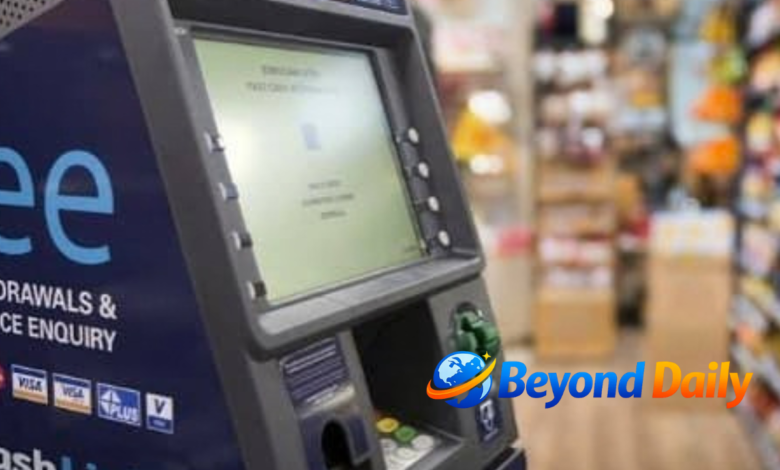
Cash remains an important part of everyday spending in the UK, particularly for customers who prefer physical money or need convenient access to cash in their local area. For retailers and other businesses, an ATM can provide another useful service while potentially creating an additional revenue stream. Depending on the arrangement, it may also encourage customers to visit a premises and make purchases while they are there.
Starting an ATM Business UK venture requires more than simply placing a cash machine in a shop. Location, expected transaction volumes, machine type, cash management, security and the agreement with an operator all need careful consideration. The good news is that businesses do not necessarily have to purchase and manage every part of the operation themselves, as UK providers offer different models ranging from self-fill machines to fully managed solutions.
How an ATM Business Works in the UK
An ATM business generally involves providing customers with convenient access to cash through a machine installed at a suitable commercial location. Depending on the agreement, the business may receive commission from withdrawals, benefit from increased customer visits or reduce banking costs through a self-fill arrangement. PayPoint, for example, says its self-fill solution can allow retailers to recycle cash from daily takings rather than making as many bank deposits.
There are several ways an ATM can operate. A machine may be free to use, while another can apply a clearly disclosed operator charge. LINK permits charges within its network but has rules covering transparency, on-screen disclosure, customer acceptance and external signage. This means the commercial model needs to be understood before installation rather than treating every cash machine as having the same revenue structure.
How to Start an ATM Business UK
The first step is to identify a suitable location rather than immediately choosing a machine. Convenience stores, forecourts, hospitality venues and other high-footfall premises can all be potential locations, but suitability depends on local demand, existing cash access and the characteristics of the customers using the site. LINK provides a Cash Locator that allows locations and available cash services to be checked, making it useful when assessing the local competitive environment.
Once a location has been identified, the next step is to speak with established ATM providers and compare their commercial arrangements. Providers can offer different combinations of installation, maintenance, cash management and machine ownership. Cashzone, for example, advertises free-to-use and pay-to-use options alongside freestanding, through-the-wall, fully managed and self-fill solutions.
Choosing the Right ATM Location
Location is one of the most important factors in determining whether a cash machine makes commercial sense. A busy shop with regular customer traffic may have stronger potential than a quiet premises, but raw footfall is not the only consideration. You should also examine whether nearby businesses already provide convenient cash access and whether your target customers are likely to use an ATM.
A good location should be convenient, visible and secure. The machine needs to be positioned where customers can use it comfortably while staff can monitor the surrounding area. LINK recommends secure fixing, prominent CCTV, appropriate premises security and regular checks for suspicious devices. For self-filled machines, LINK also advises operators to take particular care with how much cash is stored and when the machine is emptied.
Self-Fill or Fully Managed ATM?
A self-fill ATM allows the retailer to replenish the machine using suitable cash from the business. This approach can be attractive because it may reduce the need to take as much cash to the bank. PayPoint describes its self-fill model as a way for retailers to recycle cash takings while potentially reducing banking charges and receiving commission on withdrawals.
A fully managed arrangement works differently. The operator can take greater responsibility for services such as cash management, maintenance and other operational requirements. This may appeal to businesses that want the convenience of an ATM without taking on as many day-to-day responsibilities. Cashzone states that it offers both fully managed and self-fill options, demonstrating that businesses can compare different operating models before choosing a solution.
Understanding ATM Costs and Potential Income
The cost of installing an ATM varies according to the provider, machine, location and commercial arrangement. Buying a machine outright is only one possible route. Some providers offer arrangements where eligible retailers can have a machine installed without purchasing it outright, although eligibility and commercial terms can depend on factors such as location, footfall and expected transactions.
Potential income also varies considerably, so it is better to build a realistic forecast rather than rely on generic claims about monthly profits. Consider the expected number of withdrawals, any operator charges, commissions, maintenance arrangements, cash-handling costs and other expenses. A simple forecast based on realistic local transaction volumes can give a clearer picture of whether a proposed location is commercially worthwhile.
Free-to-Use and Pay-to-Use ATMs
Free-to-use and pay-to-use machines serve different commercial purposes. A free-to-use ATM can be an attractive convenience service for customers and may help a retailer encourage additional visits. PayPoint says its retail ATM proposition can support footfall and basket spending, while Cashzone offers both free-to-use and pay-to-use models for businesses.
A pay-to-use machine can generate income through withdrawal charges, but those charges must be transparent. LINK’s rules require customers to be shown when an operator charge applies and to accept the specific charge before proceeding, while signage must also make the charge clear. Businesses should therefore discuss the charging structure with their provider and ensure the installation follows the applicable network requirements.
Choosing an ATM Provider
Choosing the right provider is an important part of setting up an ATM. Businesses should compare installation arrangements, machine ownership, maintenance, cash management, technical support, transaction economics and contract terms. It is also sensible to understand who is responsible for faults, security incidents and replenishment before signing an agreement.
LINK’s current member information identifies several ATM operators, including Cardtronics, NoteMachine, PayPoint and YourCash. This provides an indication of the wider operator landscape, although businesses should assess individual commercial proposals rather than assuming that one provider will suit every location.
Security and Cash Management
Security should be treated as a core operating requirement rather than an afterthought. An ATM contains valuable cash and can become a target if its physical location or surrounding premises are poorly secured. LINK recommends securely fixing machines, using prominent CCTV, maintaining suitable alarms and checking regularly for devices that may have been attached to the machine.
Cash management also matters, particularly for self-fill operations. LINK advises site owners who fill machines themselves to put only one day’s cash into the machine and to empty it when the premises are closed. Businesses should also establish clear internal procedures covering access, reconciliation, staff responsibilities and what happens if the machine experiences a fault or cash discrepancy.
Making an ATM Part of Your Wider Business
An ATM should not necessarily be viewed as a standalone source of revenue. For many retailers, its wider value can come from improving convenience and encouraging people to visit the premises. PayPoint reports that customers using its internal ATMs spend more in store on average than customers using external machines, although individual results will vary by business and location.
This makes the service particularly relevant to businesses where customers are already likely to purchase products after withdrawing cash. A convenience shop, forecourt or local retail premises could potentially combine cash access with everyday purchases. The key is to evaluate the complete commercial picture rather than focusing solely on the amount earned from ATM transactions.
Common Mistakes to Avoid

One common mistake is choosing a location simply because it appears busy. A high-footfall site can still have weak ATM demand if customers already have easy access to nearby machines. Another mistake is failing to understand the contract, including responsibilities for maintenance, cash loading, insurance, security and termination. Comparing proposals carefully can prevent unexpected operational issues later.
It is also important not to assume that every ATM Business UK will produce the same level of income. Transaction numbers can vary according to local demographics, competing machines, opening hours, customer behaviour and whether the ATM is free-to-use or chargeable. A sensible business plan should therefore use local evidence and conservative assumptions rather than guaranteed-profit claims.
Is an ATM Business Right for Your Location?
An ATM can make commercial sense when it solves a genuine access-to-cash need while fitting naturally into an existing business. The strongest opportunity may be a location where customers regularly need cash, nearby alternatives are limited and the premises already attract consistent traffic. LINK’s network and Cash Locator can help businesses understand the availability of nearby cash services before committing to a new installation.
The decision should ultimately be based on expected transactions, commercial terms, security requirements and the amount of work the business is willing to undertake. For some retailers, a self-fill machine may complement existing cash takings, while others may prefer a managed solution. Comparing both approaches can help identify an arrangement that fits the premises and operating model.
Conclusion
An ATM can provide a useful additional service for UK retailers while potentially supporting customer footfall, cash management and additional income. However, success depends heavily on choosing an appropriate location and understanding the commercial agreement. Providers such as PayPoint and Cashzone offer different models, while LINK provides the network framework and guidance relevant to ATM operators and site owners.
For anyone considering an ATM venture, the best starting point is practical research: check nearby cash access, estimate realistic transaction demand, compare provider terms and plan carefully for security and cash handling. With those foundations in place, an ATM can become a useful addition to a wider UK retail business rather than simply another machine occupying valuable space.
Frequently Asked Questions
How much does an ATM machine cost for a business in the UK?
Costs vary by provider and arrangement, and some eligible retailers may receive an ATM without purchasing the machine outright.
Can I start an ATM business without owning a shop?
Yes, but you would need an appropriate commercial location and an arrangement with an ATM operator or network participant.
Is an ATM business profitable in the UK?
Potential profitability depends on transaction volumes, charges, commissions, operating costs and the specific location.
What is a self-fill ATM?
A self-fill ATM is replenished by the retailer using cash from the business, subject to the provider’s procedures and security requirements.
Are free-to-use ATMs profitable?
They can provide commercial benefits through commissions or increased customer activity, depending on the provider and agreement.
Do ATM businesses need to follow security requirements?
Yes, operators and site owners should follow appropriate security procedures covering physical installation, CCTV, cash handling and access.
Can an ATM increase customers for a shop?
An ATM can attract people seeking cash and may encourage additional purchases, although results vary by location and customer behaviour.
Which companies provide ATMs in the UK?
UK ATM operators include providers such as PayPoint, Cashzone, NoteMachine and YourCash, among others.
Also Read: apple business uk