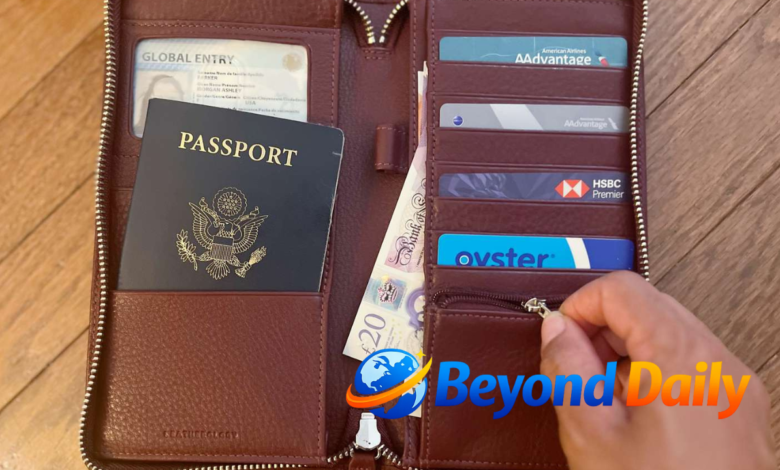
Choosing the best travel wallets can make every journey feel more organised, secure and comfortable. A well-designed travel wallet keeps important essentials such as passports, bank cards, cash, tickets and travel documents together without creating unnecessary bulk. Whether you are planning a weekend city break, a long-haul adventure or a family holiday, the right wallet can help you stay prepared while moving confidently through airports, stations and unfamiliar destinations.
Modern travellers have more to carry than ever, from contactless cards and digital travel information to physical identification and emergency cash. The best travel wallets combine practical storage with security-focused features, making them useful companions for both domestic and international trips. Rather than simply choosing the most attractive design, it is worth considering capacity, materials, organisation, durability, comfort and protection before making a purchase.
What Makes the Best Travel Wallets?
The best travel wallets are designed around convenience rather than simply looking like larger versions of everyday wallets. They typically provide dedicated spaces for cards, notes, coins, passports and other travel essentials. A good layout means you can find what you need quickly, which is particularly useful when checking into accommodation, passing through airport security or paying for something while exploring a busy destination.
Another important consideration is the balance between capacity and size. A wallet that holds everything but becomes uncomfortable in a pocket is unlikely to be useful. Similarly, a very compact design may force you to leave important items behind. The ideal option gives you enough space for your regular essentials while remaining slim, lightweight and easy to carry throughout the day.
Best Travel Wallets for Men
The best travel wallets for men often focus on practical organisation, understated styling and durable construction. Leather remains a popular choice because it offers a classic appearance and can develop character over time, while modern fabric and synthetic materials can provide excellent resistance to moisture and everyday wear. Designs with multiple card slots, a passport compartment and secure note storage are particularly versatile for frequent travellers.
Men who prefer minimalist everyday carry may want a slimmer wallet that handles cards and folded cash without taking up too much pocket space. Travellers going abroad for longer periods may benefit from a slightly larger organiser that accommodates passports, multiple currencies, boarding information and essential documents. The key is to choose a format that suits the way you actually travel rather than selecting a wallet purely because of its appearance.
Best Travel Wallets for Women
The best travel wallets for women come in a wide variety of shapes, colours and layouts, allowing travellers to prioritise both style and practicality. Some designs are slim enough to fit into a small handbag, while larger organisers can hold a passport, cards, cash, coins and travel documents together. A well-planned internal layout can make it easier to locate essentials without having to search through a crowded bag.
For women who regularly travel internationally, security and accessibility can be especially important. A wallet with clearly separated compartments can prevent currencies and cards from becoming mixed up, while a secure fastening can keep contents together when moving around busy tourist areas. The best option should feel comfortable to carry while offering enough capacity for the essentials needed during the entire trip.
Best Travel Wallets for International Travel
International journeys often require more organisation because travellers may need passports, different currencies, payment cards, travel insurance information and other important documents. The best travel wallets for international travel provide dedicated compartments that make these items easy to separate. This can be particularly valuable when changing currencies, crossing borders or navigating airports where documents need to be presented quickly.
Security is another major consideration when travelling overseas. A travel wallet should not encourage you to carry every valuable item you own. Instead, it should help you organise the essentials you genuinely need for the journey. Keeping documents secure and avoiding overfilling the wallet can make it easier to maintain control of your belongings in busy airports, public transport networks and crowded city centres.
RFID Protection and Travel Security
RFID protection is frequently advertised as a useful feature in modern travel wallets. RFID technology allows compatible cards to communicate wirelessly with payment terminals and other readers, and some wallets are designed to reduce unwanted wireless communication when cards are stored inside. For travellers who value an additional layer of precaution, an RFID-blocking compartment can therefore be an appealing feature.
However, RFID protection should not be the only security consideration. Travellers should also think about strong closures, concealed compartments, durable construction and how comfortably the wallet can be carried. A secure wallet is most useful when combined with sensible travel habits, such as keeping valuables out of obvious pockets, being aware of surroundings and storing important documents carefully when they are not required.
Choosing the Right Size and Capacity
Size is one of the most important factors when comparing travel wallets. A compact design can be ideal for short breaks when you only need a few cards and some cash. Larger organisers are more appropriate for travellers carrying passports, multiple currencies, several cards and additional documents. Before buying, consider everything you normally carry and make sure the wallet provides suitable compartments without excessive unused space.
Overloading a wallet can make it uncomfortable and may also reduce the usefulness of its compartments. Instead of filling every available slot, focus on the essentials for your particular journey. If you are travelling internationally, leave room for receipts, local currency or temporary documents that may appear during the trip. A flexible layout can therefore be more useful than simply choosing the wallet with the greatest advertised capacity.
Leather, Fabric and Synthetic Travel Wallets

Leather travel wallets remain popular because they combine durability with a traditional, premium appearance. Quality leather can become more distinctive with age, making it attractive to travellers who prefer timeless accessories. However, leather may be heavier than some alternatives and can require greater care. It is therefore worth considering the environment and type of travel before choosing a leather design.
Fabric and synthetic wallets can offer advantages for active travellers who prioritise low weight, flexibility and easy maintenance. Some materials are better suited to outdoor adventures or unpredictable weather, while others are designed to provide a sleek urban appearance. The best travel wallets are not necessarily made from one particular material; the right choice depends on durability, comfort, weather exposure, style and personal preferences.
Travel Wallets for Different Types of Travellers
A frequent business traveller may prefer a streamlined wallet with quick access to cards, identification and travel documents. Someone taking a family holiday may need greater capacity for several documents and payment methods. Backpackers and adventure travellers may prioritise lightweight construction and secure closures, while city-break travellers could prefer a compact design that slips discreetly into a pocket or small bag.
Travelling style should therefore influence the buying decision. Someone spending most of the journey in hotels and airports may have different requirements from someone hiking, using public transport or exploring crowded markets. By considering where the wallet will be carried, how often it will be opened and what it needs to hold, you can narrow down the options and avoid paying for features you will never use.
How Much Should You Spend?
Price can vary considerably depending on the materials, construction, brand and features included. An inexpensive travel wallet can provide perfectly adequate organisation for occasional holidays, while a premium option may appeal to frequent travellers who want stronger materials, refined finishing and long-term durability. Paying more does not automatically guarantee that a wallet will be the right choice for your needs.
Instead, look at overall value. A wallet that remains comfortable, secure and functional across many trips can be more useful than a cheaper product that quickly loses its shape or becomes difficult to organise. Consider how frequently you travel, what you need to carry and how long you expect the wallet to last. These factors provide a better guide to value than price alone.
Common Mistakes When Buying a Travel Wallet
One common mistake is choosing a wallet that is too large. Extra compartments can appear useful in a product description, but carrying unnecessary bulk can become irritating after several hours of walking. Another mistake is selecting a design based entirely on appearance without considering how easily cards, cash and documents can be accessed when travelling.
It is also easy to overlook the importance of closure systems and material quality. A wallet that opens too easily may not be suitable for crowded environments, while poor-quality stitching or weak fasteners can become frustrating during frequent use. Before buying, think about practical situations rather than simply how the wallet looks in a product photograph.
Travel Wallet Buying Checklist
Before choosing from the best travel wallets available, create a simple checklist based on your journey. Consider whether you need passport storage, how many cards you carry, whether you use multiple currencies and whether you want RFID protection. Also consider whether the wallet will be carried in a trouser pocket, handbag, backpack or another travel bag.
Durability and comfort should also be part of the decision. Check the material, stitching, fastening system and internal layout where possible. Think about whether the wallet will remain easy to use when full rather than only when empty. A little preparation before purchasing can help you find a travel wallet that remains practical long after the excitement of your next holiday has passed.
Why Travel Wallets Matter in 2026
Travel habits continue to change, with contactless payments, digital boarding passes and mobile travel tools becoming increasingly common. Despite this digital shift, physical passports, identification and payment cards remain important for many journeys. The best travel wallets therefore continue to provide a useful bridge between traditional travel essentials and the increasingly digital experience of modern travel.
In 2026, travellers are also increasingly interested in products that combine functionality, durability and responsible design. A wallet that can be used for years may provide better value than repeatedly replacing cheaper alternatives. Choosing a versatile design with sensible storage, comfortable construction and useful security features can make it a reliable part of your travel kit for future adventures.
Conclusion
The best travel wallets are ultimately the ones that make travelling simpler without adding unnecessary bulk or complication. From compact designs for city breaks to larger organisers for international adventures, there is a suitable format for almost every type of traveller. The most important factors are practical storage, comfortable carrying, reliable construction and security features that match your personal travel habits.
Before buying, consider what you genuinely need to carry and how you expect to use the wallet throughout your journey. A thoughtful choice can keep passports, cards and cash organised while giving you easier access to everyday essentials. With the right balance of style, capacity, durability and convenience, a travel wallet can become one of the most useful accessories in your travel kit.
Frequently Asked Questions
What should I look for in a travel wallet?
Look for practical compartments, comfortable sizing, durable materials and secure closures. If you travel internationally, passport storage and space for different currencies can also be valuable features.
Are travel wallets worth buying?
Travel wallets can be worthwhile if you regularly carry passports, cards, cash or travel documents. They can make important items easier to organise and access while travelling.
Are RFID travel wallets necessary?
RFID protection can provide an additional precaution for compatible cards, but it should not replace sensible security habits. Good organisation and secure carrying are equally important.
What is the best material for a travel wallet?
Leather offers a classic and durable option, while fabric and synthetic materials can be lighter and easier to maintain. The best material depends on your travel style and priorities.
Are travel wallets good for international holidays?
Yes, a suitable travel wallet can be particularly useful for international holidays because it can organise passports, payment cards, cash and multiple currencies in one place.
Should a travel wallet be large?
Not necessarily. The ideal size depends on what you need to carry. A wallet should provide enough capacity without becoming unnecessarily bulky or uncomfortable.
Can travel wallets replace normal wallets?
Some travel wallets can replace everyday wallets, particularly compact designs. However, larger organisers may be better kept specifically for holidays and international journeys.
How can I keep my travel wallet secure?
Carry it discreetly, avoid overfilling it and remain aware of your surroundings. Keep unnecessary valuables elsewhere and store important documents securely when you do not need them.
Also Read: 8 travel firms collapse