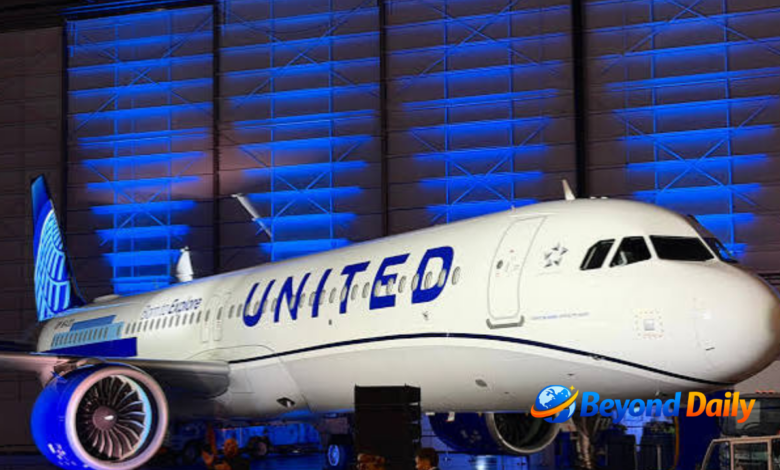
The Airbus A321XLR is one of the most important developments in modern commercial aviation, combining the efficiency of a single-aisle aircraft with impressive long-distance capability. The name XLR stands for Xtra Long Range, highlighting its purpose within the A320 family. Designed for airlines seeking greater route flexibility, the aircraft can connect destinations over thousands of kilometres without requiring the capacity of a traditional wide-body jet.
The aircraft builds on the successful A321neo platform and introduces modifications that allow it to operate longer missions. Its extended range makes it particularly attractive for transatlantic and other international routes where passenger demand may not justify a larger aircraft. For travellers, the A321XLR also represents a new kind of long-haul experience, combining a familiar narrow-body cabin with features designed for much longer flights.
Airbus A321XLR Aircraft Overview
The airbus a321xlr belongs to the highly successful A320 family and represents an evolution of the A321neo and A321LR. Airbus developed the aircraft with additional fuel capacity, structural improvements and a higher maximum take-off weight to support longer routes. These changes allow airlines to use the aircraft for missions that would previously have required different equipment or connecting services.
In terms of dimensions and passenger capacity, the aircraft remains closely related to the A321 family. Depending on the airline’s chosen layout, it can accommodate a substantial number of passengers across different cabin classes. This combination of capacity and range is what makes the aircraft particularly useful for airlines that want to expand their networks while avoiding the cost and excess capacity of larger long-haul aircraft.
Airbus A321XLR Range and Long-Haul Travel
The airbus a321xlr range is one of its defining characteristics, with Airbus quoting a maximum range of up to approximately 4,700 nautical miles, or 8,700 kilometres. Under suitable conditions, this can support flights of up to around 11 hours. However, the maximum figure is not guaranteed for every operation, as payload, weather, winds, routing, reserves and aircraft configuration can all influence actual range.
This capability could have a major effect on long-haul travel because airlines can consider routes with moderate passenger demand. A large wide-body aircraft may have too many seats for some city pairs, while a smaller narrow-body aircraft may previously have lacked the necessary range. The A321XLR creates a middle ground, potentially allowing airlines to introduce direct services between cities that have traditionally depended on major connecting hubs.
Airbus A321XLR Fuel Capacity and Efficiency
Additional fuel capacity is fundamental to the aircraft’s extended range. The design incorporates an additional centre fuel tank that enables the aircraft to carry the fuel required for longer missions. This extra capacity works alongside structural and operational improvements, allowing the aircraft to fly significantly farther than conventional versions of the A321 while maintaining its position as a single-aisle aircraft.
Fuel efficiency is equally important to the aircraft’s commercial appeal. Airlines must consider not only how far an aircraft can fly but also how efficiently it can carry passengers over that distance. A narrow-body aircraft can offer a more suitable capacity for routes with moderate demand, potentially helping airlines control operating costs while opening new long-distance markets that might not work as effectively with larger wide-body aircraft.
Airbus A321XLR Seating and Seat Map
The airbus a321xlr seating arrangement is not identical across every airline because operators can design their cabins according to their own commercial strategies. Some airlines may prioritise passenger capacity, while others can provide more generous premium cabins, additional legroom or dedicated business-class sections. Consequently, there is no universal seat map that accurately represents every A321XLR currently planned or operated by airlines.
Travellers should always check the specific airline’s seat map before selecting a seat. Important details can include seat pitch, exit-row locations, lavatories, galleys and premium seating areas. Even two aircraft of the same model can provide noticeably different experiences because of airline-specific cabin designs. For long flights, checking the aircraft configuration before booking can therefore be just as useful as comparing the route and ticket price.
Airbus A321XLR Interior and Cabin Experience
The airbus a321xlr interior is designed to support longer journeys while retaining the basic narrow-body layout associated with the A320 family. Modern cabin features can include improved overhead storage, contemporary lighting, connectivity and updated passenger seating. Airlines can also introduce their own entertainment systems, charging facilities and premium services, meaning the passenger experience can vary significantly between operators.
Although the cabin is not as wide as that of a traditional wide-body aircraft, the A321XLR can still provide a modern long-haul environment. The quality of the journey depends on factors such as seat design, seat pitch, inflight entertainment, food service and cabin configuration. Airlines therefore have an important role in turning the aircraft’s technical long-range capability into a comfortable experience for passengers.
American Airlines Airbus A321XLR
American Airlines is one of the carriers associated with the A321XLR programme, making the aircraft an important part of discussions about future long-distance network development. Its extended range gives the airline another option for international routes where passenger demand may be insufficient for a larger wide-body aircraft. This flexibility could allow the carrier to explore additional city pairs while maintaining appropriate capacity.
The American Airlines Airbus A321XLR seat map is particularly relevant to passengers interested in future services. Cabin arrangements can influence legroom, premium seating, storage and the overall long-haul experience. Travellers should rely on the latest information provided by the airline when choosing seats because aircraft assignments and cabin configurations can change. A planned aircraft type does not necessarily guarantee a fixed configuration on every scheduled flight.
Wizz Air, Aer Lingus and Air Canada
The Wizz Air Airbus A321XLR is an interesting example of how long-range narrow-body aircraft could support different airline strategies. As a low-cost carrier, Wizz Air has traditionally focused heavily on efficient single-aisle aircraft. Greater range could give the airline additional opportunities to consider longer routes while retaining an aircraft family that fits naturally into its existing operating model.
Aer Lingus and Air Canada are also relevant because of their international networks. Aer Lingus has considerable experience with transatlantic flying, making a long-range narrow-body aircraft potentially useful for selected routes. Air Canada can similarly benefit from additional fleet flexibility when serving international markets where a larger aircraft might provide more capacity than required. These operators demonstrate the broad commercial possibilities of the aircraft.
Qantas Airbus A321XLR and Delivery Plans
The Qantas Airbus A321XLR programme has attracted interest because of the airline’s large domestic and international network. A long-range narrow-body aircraft could provide Qantas with additional flexibility when considering routes where passenger demand, airport constraints or operating economics make a smaller aircraft appropriate. It can also complement larger aircraft rather than replacing them across the airline’s entire network.
The Qantas Airbus A321XLR delay topic highlights the importance of keeping up with changing delivery and fleet information. Aircraft programmes can experience schedule changes because of manufacturing, certification, supply-chain and operational factors. Readers should distinguish confirmed announcements from older reports or speculation. For passengers planning a particular journey, the airline’s latest published schedule and aircraft information should always take priority over general programme expectations.
Airbus A321XLR in Flight

The airbus a321xlr in flight offers passengers a combination of familiar A320-family characteristics and the demands of long-distance travel. The aircraft remains a single-aisle jet, but it may spend considerably longer in the air than the aircraft’s passengers are accustomed to on typical short-haul services. This makes seat comfort, onboard entertainment, connectivity and cabin service especially important on extended journeys.
Actual flight performance varies according to route, weather, payload and operational requirements. The aircraft’s maximum range represents its potential capability rather than the distance of every scheduled flight. Airlines carefully select routes according to commercial and technical considerations. For passengers, the aircraft’s airline-specific cabin, seat configuration and service offering will often have a greater influence on the experience than its headline range.
Why the Airbus A321XLR Is Changing Long-Haul Aviation
The aircraft’s biggest strategic advantage is its ability to make some long and relatively thin routes more practical. Traditional wide-body aircraft can carry hundreds of passengers, but filling that capacity consistently is not always possible on emerging or lower-demand international routes. The A321XLR gives airlines another option, allowing them to consider direct services with an aircraft that has considerably less capacity than many wide-body alternatives.
This could encourage airlines to develop more direct connections between secondary cities. Instead of routing every long-distance passenger through major hubs, carriers can potentially create more point-to-point services. Such changes could reduce the need for some connections and give travellers greater choice. The aircraft therefore has significance beyond its technical specifications, as its range and size could influence how airlines plan international networks in the years ahead.
Airbus A321XLR Compared With Other Aircraft
Compared with the standard A321neo, the A321XLR is designed for substantially longer missions. The A321LR already introduced enhanced long-range capability, but the XLR extends the concept further. Compared with traditional wide-body aircraft, the A321XLR has a narrower single-aisle cabin and lower overall capacity. Its advantage is therefore not simply greater performance, but the ability to match aircraft size more closely with the demand of individual routes.
The aircraft also occupies an interesting position alongside other narrow-body jets such as members of the Boeing 737 MAX family. Different aircraft offer different combinations of range, capacity and operating characteristics. Airlines must consider passenger demand, airport facilities, cargo requirements, fleet commonality and route length when selecting an aircraft. This means the A321XLR is best viewed as an additional strategic option rather than a universal replacement for wide-body aircraft.
Advantages and Limitations of the Airbus A321XLR
One of the aircraft’s strongest advantages is its combination of long range and relatively modest capacity. Airlines can potentially open new international routes without committing a large wide-body aircraft to markets that may not consistently support high passenger volumes. Fleet commonality with the A320 family can also provide operational advantages for airlines already using related aircraft, depending on their individual fleet and training structures.
There are limitations too. The aircraft remains a narrow-body jet, so its cabin does not provide the same width and multiple aisles found on conventional wide-body aircraft. Long flights may therefore feel different depending on the airline’s seating configuration and service standards. In addition, maximum range depends on payload and operating conditions. Airlines must carefully evaluate each route instead of assuming that every long-distance journey is technically or commercially suitable.
The Future of Long-Haul Narrow-Body Travel
The A321XLR is likely to remain an important aircraft as airlines search for efficient ways to expand international networks. Its combination of range, passenger capacity and route flexibility provides carriers with another tool between traditional short-haul aircraft and larger long-haul wide-body jets. As more operators introduce the aircraft, passengers may see a broader selection of direct international routes.
The future of aviation will not necessarily belong to one aircraft type. Wide-body aircraft will continue to play an essential role on high-demand routes, while smaller aircraft can serve markets where frequency and flexibility are more valuable. The A321XLR’s importance lies in filling this strategic gap. Its ability to make longer routes possible with a single-aisle aircraft could influence airline planning well beyond 2026.
Conclusion
The airbus a321xlr represents a major step forward in the development of efficient long-range narrow-body aircraft. Its extended range, additional fuel capacity and flexible cabin potential allow airlines to consider routes that may previously have required larger aircraft or connecting services. With a maximum advertised range of around 4,700 nautical miles, the aircraft offers an impressive combination of distance and capacity.
For passengers, the real experience depends on the airline operating the aircraft. Seat configuration, cabin design, onboard entertainment, service and aircraft assignment can all influence comfort on a long journey. As airlines such as American Airlines, Aer Lingus, Air Canada, Qantas and Wizz Air develop their plans, the aircraft could become increasingly visible on international routes and contribute to a more flexible future for long-haul travel.
Frequently Asked Questions
What is the Airbus A321XLR?
The Airbus A321XLR is an extra-long-range narrow-body aircraft derived from the A321neo family. It is designed to combine single-aisle operating efficiency with the ability to fly substantially longer international routes.
How far can the Airbus A321XLR fly?
The aircraft has a published maximum range of up to approximately 4,700 nautical miles, or 8,700 kilometres. Actual operational range can vary depending on payload, weather, routing, fuel reserves and other conditions.
How many passengers can an Airbus A321XLR carry?
Passenger capacity depends on the airline’s cabin configuration. Airbus has stated a maximum seating capacity of up to 244 passengers, while many operators may choose fewer seats to provide multiple cabin classes and additional passenger amenities.
Can the Airbus A321XLR fly transatlantic routes?
Yes, its extended range makes it suitable for selected transatlantic routes. It can be particularly useful where passenger demand is not consistently high enough to justify deploying a larger wide-body aircraft.
Is the Airbus A321XLR a wide-body aircraft?
No. The A321XLR is a narrow-body, single-aisle aircraft. Its significance comes from its ability to perform long-distance missions while retaining the characteristics and efficiency of the A320 family.
What is the difference between the A321neo and A321XLR?
The A321XLR is based on the A321neo but incorporates changes designed for longer-range operations. These include additional fuel capacity and structural and weight improvements that support extended missions.
Is the Airbus A321XLR comfortable for long flights?
Comfort depends on the airline’s cabin design, seating configuration and onboard service. While the aircraft is designed for long-haul operations, passengers should remember that it retains a single-aisle cabin.
Which airlines are associated with the Airbus A321XLR?
Airlines associated with the aircraft include American Airlines, Aer Lingus, Air Canada, Qantas and Wizz Air, among others. Individual fleet plans, delivery schedules and routes can change over time.
What makes the Airbus A321XLR important?
Its importance comes from combining long-range capability with a smaller aircraft size. This can help airlines operate direct routes between cities where a larger wide-body aircraft may provide more capacity than the market requires.
What is the Airbus A321XLR seat map like?
There is no single seat map because airlines can configure their aircraft differently. Travellers should check the specific operator’s latest seat map for information about seating, legroom, premium cabins, exits and facilities.
Also Read: thameslink train times