Finding the right start up business ideas can feel exciting, but the best opportunity is not necessarily the most fashionable one. A strong business usually begins with a clear customer need, a service you can deliver confidently and a model that suits your available time and resources. For UK entrepreneurs, the possibilities range from online services and digital products to practical local businesses, meaning you can build around your existing skills rather than starting entirely from scratch.
The growing range of home-based and digital opportunities also means you do not always need a large operation to begin testing an idea. Current UK business inspiration includes social media services, websites, YouTube, pet sitting, reselling and specialist technology support. The key is to look beyond the idea itself and consider whether people will pay for the solution, how you will reach customers and whether you can develop the business gradually.
Digital and Online Business Opportunities
Online start up business ideas can be attractive because many rely more heavily on skills and time than expensive premises or physical equipment. Social media management is one example, particularly for small businesses that need help maintaining their online presence. Website creation, content services, virtual assistance and specialist freelance work can also provide flexible models for people who already have useful digital abilities. Digital products offer another route, allowing entrepreneurs to create templates, guides, planners or other downloadable resources for a specific audience.
Technology is also creating opportunities for people who can help businesses use modern tools effectively. AI-related freelance services and consulting are among the opportunities highlighted in recent UK business coverage, while social media and digital support remain relevant to businesses seeking greater online visibility. Rather than attempting to serve everyone, a new entrepreneur can concentrate on a particular industry or customer problem, making their offer easier to explain and potentially easier to market.
Low-Cost Start Up Business Ideas
Some of the most accessible low start up business ideas are based on services that can be delivered with skills, basic equipment and personal effort. Examples include pet sitting, virtual assistance, freelance writing, social media support, cleaning and certain property-maintenance services. The advantage of this approach is that you can often begin with a relatively simple offer, find initial customers and reinvest some of the income into better equipment, promotion or training rather than committing to major costs immediately.
Cheap start up business ideas can also include reselling or creating digital products. Reselling involves finding products that have potential demand and selling them through suitable channels, while digital products can include useful templates, planners or other downloadable resources. The important consideration is not simply keeping costs low; you need to make sure the product or service solves a genuine problem. A low-cost idea with no clear customer demand is unlikely to become a strong business.
Local Startups With Practical Potential
Not every successful business needs to operate online. Local services can be particularly useful when customers value convenience, trust and personal contact. Cleaning, gardening, property maintenance, pet care and other practical services can appeal to households or businesses that would rather pay someone else to complete recurring tasks. These models can also benefit from recommendations and positive local reviews, making customer service an important part of the marketing strategy rather than an afterthought.
Start up business ideas for small towns can work particularly well when they address a service gap that customers already experience. A smaller community may not need a highly complicated concept; it may simply need reliable help with everyday tasks. Before launching, research what residents and local businesses already use, identify where existing providers fall short and consider whether your service can offer better convenience, reliability or specialisation.
Start Up Business Ideas for Different Skills and Lifestyles
The best start up business ideas are often connected to something you already know how to do. Someone with creative skills might explore design, photography, content creation or digital products, while a technology-focused entrepreneur could investigate website services, AI support or specialist consulting. People who enjoy working with animals could consider pet care, while organised individuals may find opportunities in virtual assistance or administrative support. Matching the business with your strengths can make the early stages more manageable.
Flexibility is another important consideration, especially for people who want to build a business around existing commitments. Start up business ideas for ladies, parents, students and part-time entrepreneurs can include freelance services, online businesses, tutoring, virtual assistance, pet sitting and creative work. The ideal choice depends on availability, experience and customer demand rather than gender alone. A flexible model can allow you to test your concept gradually before deciding whether it makes sense to expand.
How to Choose the Best Start Up Business Idea
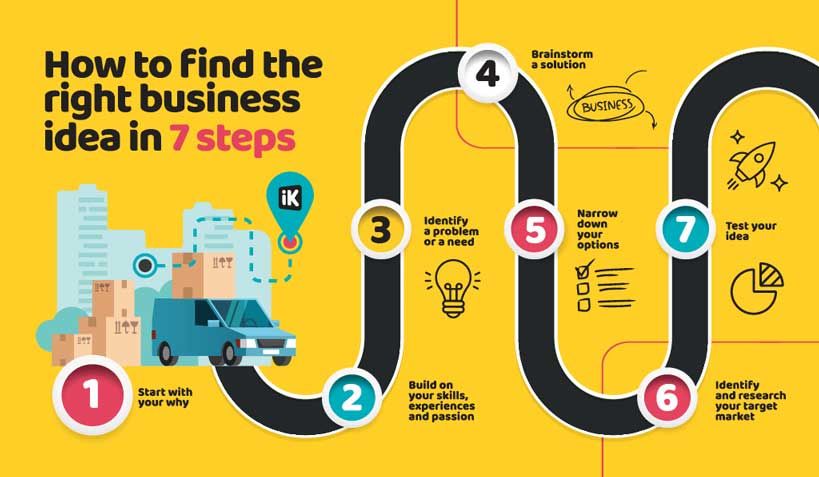
Choosing among many start up business ideas requires more than selecting the option that sounds exciting. Begin by listing your strongest skills, useful experience and subjects you understand well. Then identify groups of customers who have a problem you could solve. Consider how often they experience that problem, what alternatives they currently use and whether they appear willing to pay for a better solution. This simple process can quickly eliminate ideas that do not match your abilities or market conditions.
Cost should be considered alongside demand. A business requiring very little money can still be difficult if attracting customers is expensive or competition is intense. Conversely, an idea with higher initial costs may have stronger long-term potential if customers are clearly interested. Before spending heavily, create a basic version of your service or product, speak with potential customers and test whether people respond positively. This practical validation is often more useful than spending months perfecting an untested concept.
How to Turn an Idea Into a Real Business
Once you have chosen an idea, concentrate on making the first version simple. Decide exactly what you sell, who it is for and what makes your offer useful. Establish sensible pricing by considering your time, materials, operating costs and the value provided to the customer. You should also think about how people will discover you, whether through local recommendations, a website, social media, marketplaces, networking or direct outreach. A clear offer makes every part of marketing easier.
UK entrepreneurs should also check the legal, tax and regulatory requirements that apply to their particular business before trading. These can vary according to the structure of the business, what you sell and where or how you operate. Keep financial records from the beginning and separate business spending from personal spending where appropriate. Most importantly, treat your first customers as a learning opportunity: their questions, objections and feedback can reveal how your offer needs to improve.
Conclusion
There is no single winner among start up business ideas because the right opportunity depends on your skills, budget, location, available time and customers. Digital services can suit people who want flexible work, while practical local businesses may be better for entrepreneurs who prefer face-to-face customer relationships. Specialist services can also provide an opportunity to stand out when you understand a particular industry or problem better than general competitors.
The smartest approach is to start with a manageable idea and test it before making major commitments. Look for a genuine customer need, create a clear offer, keep unnecessary costs under control and learn from early feedback. Whether you choose an online venture, a local service or a specialist consultancy, consistent execution matters more than simply having an impressive idea. A practical business that solves a real problem can provide a stronger foundation than a trend-driven concept with no clear market.
Frequently Asked Questions
What is a good startup business idea?
A good idea solves a real problem and matches your skills, budget and interests.
What is the cheapest business to start?
Freelancing, pet sitting, virtual assistance and social media services can be low-cost options.
Can I start a business from home?
Yes. Many online services, digital products and freelance businesses can be started from home.
What are easy startup business ideas?
Simple options include cleaning, pet sitting, tutoring, reselling and freelance services.
What are good online business ideas?
Website services, social media management, content creation, virtual assistance and digital products are popular choices.
Can I start a business with little money?
Yes. Service-based businesses often need less money to start because you can use skills you already have.
What business is good for a small town?
Cleaning, gardening, pet care, property services and other useful local services can work well in small towns.
How do I choose a startup business?
Choose an idea that matches your skills, has customer demand and fits your budget and available time.
Also Read: business funding uk