
A business entity is the legal structure used to organise and operate a business. It helps determine how the organisation is formed, how it is managed, how it is taxed and who may be responsible for its debts or legal obligations. Choosing the right structure is therefore more than an administrative decision; it can influence personal risk, financial responsibilities, compliance requirements and the way a business grows over time.
The business entity concept generally treats the business as distinct from its owner or owners, particularly where the chosen structure creates a separate legal organisation. However, the degree of separation depends on the structure selected. Sole proprietorships and general partnerships can leave owners personally responsible for business obligations, while structures such as corporations and limited liability companies can provide greater separation between business liabilities and personal assets.
Common Types of Business Entities
Common structures include sole proprietorships, partnerships, limited liability companies and corporations. A sole proprietorship is generally straightforward because the business and owner are closely connected legally. Partnerships allow two or more people to operate together, although the responsibilities and liability of partners can vary. An LLC provides a separate structure with flexible management and potential pass-through taxation, while corporations operate as distinct legal entities and can raise capital through shares.
Nonprofit organisations are another form, although their purpose differs from conventional profit-making businesses. They are generally established around civic, educational, charitable or similar objectives rather than private profit. Each structure comes with different advantages, responsibilities and compliance expectations. The most suitable option depends on factors such as ownership, risk, tax treatment, investment plans and the level of administrative formality a business is prepared to maintain.
Why Business Structure Matters
The structure selected for a business can affect several areas of everyday operation. Liability protection is particularly important because some structures can separate personal assets from business debts and legal claims, while others may leave owners more exposed. Tax treatment is another major consideration. Some structures use pass-through taxation, whereas corporations may be taxed independently at the business level, potentially creating different tax consequences for owners.
Formation and ongoing compliance can also vary considerably. A simple structure may involve relatively little paperwork, while an LLC or corporation can require formal filings, record-keeping and recurring fees. This means that business owners should look beyond the initial setup process and consider the continuing responsibilities associated with their chosen structure. Understanding these differences can make business planning clearer and reduce avoidable administrative problems later.
Business Entity Formation and Setup
Business entity formation is the process of establishing a business under an appropriate legal structure. The exact procedure depends on the structure and jurisdiction, so there is no single formation process that applies everywhere. A person starting a business should first identify the intended ownership arrangement, consider liability exposure and review the tax and compliance implications before selecting a structure. The decision should reflect both immediate needs and longer-term business plans.
Setting up a US business entity can also involve state-specific requirements. Searches such as California business entity search, Delaware business entity search, Texas business entity search and Florida business entity search can be useful when checking registered organisations or researching state records. Other state-specific searches, including New York, Illinois, Michigan, Wyoming, Louisiana and South Carolina, may serve similar purposes. The precise information available and procedures used can differ between states, so users should consult the relevant state authority for current requirements.
Business Entity Search and Tracking
Business entity tracking can help people monitor information associated with an organisation after it has been created. Depending on the jurisdiction and available public records, a search may reveal information such as the registered business name, address, directors or other company details. In the UK, official company information can include registered addresses, previous names, directors, accounts, annual returns and reports.
For US-focused research, state business registries are particularly relevant because businesses are commonly registered under state-level systems. A person investigating a company may therefore need to identify the state in which it was formed before carrying out a search. State searches can help distinguish organisations with similar names and provide useful registration information. However, search results should be interpreted carefully because the availability, terminology and scope of public records can vary between jurisdictions.
Business Entity Management and Compliance
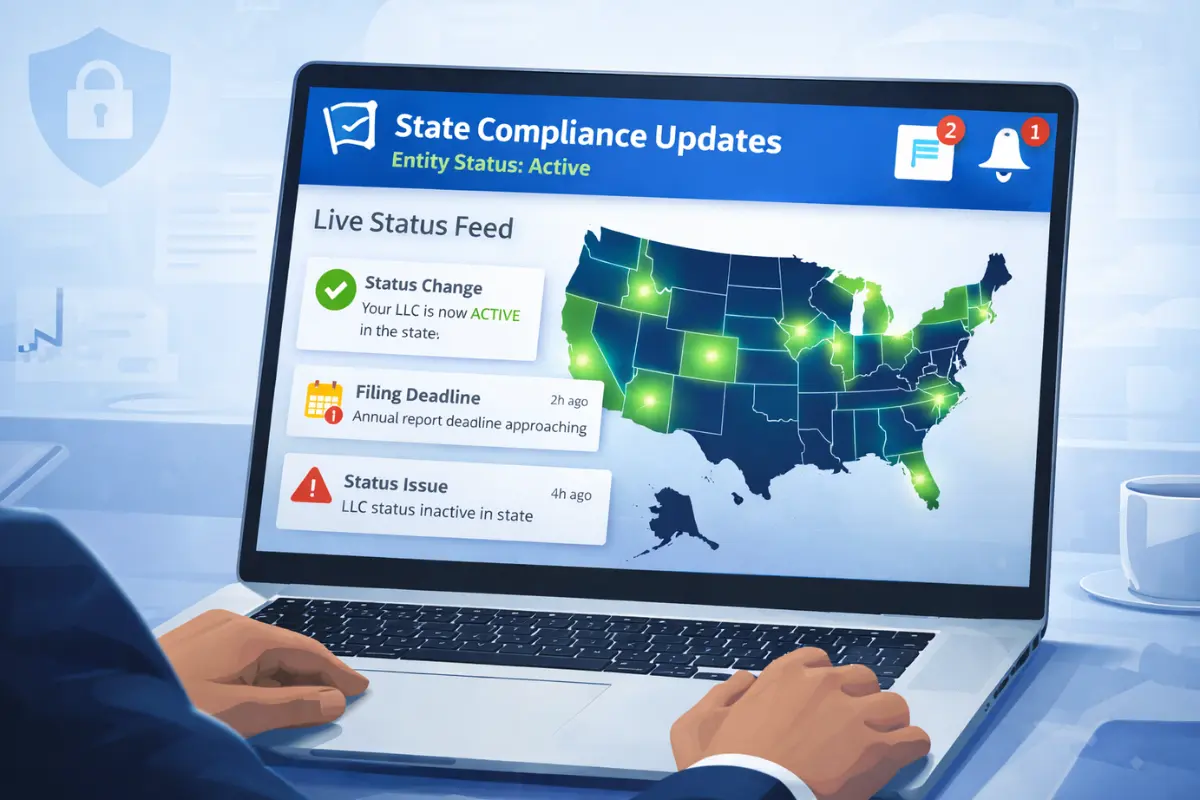
Once an organisation has been established, business entity management becomes an ongoing responsibility. Owners and managers may need to maintain appropriate records, meet filing obligations, monitor changes in ownership or management and keep registration information current. The level of formality depends on the structure. Corporations and LLCs generally have more formal compliance requirements than simpler arrangements, making good record-keeping an important part of responsible management.
Effective management also means regularly reviewing whether the chosen structure still suits the business. A small operation may begin with a simple arrangement and later need a structure that better supports additional owners, investment, expansion or liability protection. Changes in business circumstances can make professional advice valuable, particularly where tax, legal or regulatory consequences are involved. A structure should support the business rather than become an unnecessary obstacle to growth.
How to Choose the Right Business Structure
Choosing a business structure requires a balanced look at liability, taxation, ownership, administration and future plans. A sole proprietorship may appeal to an individual seeking simplicity, while a partnership can suit people who intend to operate a business together. An LLC may provide a combination of liability protection and management flexibility, whereas a corporation can be appropriate for organisations seeking a formal structure and potential access to investment through shares.
There is no universally perfect structure for every business. The right choice depends on the circumstances, jurisdiction and objectives of the owners. The supplied research highlights liability protection, tax treatment, formation requirements and compliance as important factors when comparing structures. For anyone setting up a business, checking current government requirements and obtaining professional legal or tax advice where necessary can help ensure the chosen arrangement is appropriate.
Business Entity Meaning in Simple Terms
In simple terms, a business entity is the legal framework through which a business operates. It establishes important relationships between the business, its owners, the government, customers, creditors and other parties. The structure can determine who owns the business, who manages it, how profits are treated for tax purposes and how responsibility for debts or legal obligations is allocated.
The phrase can cover several different arrangements rather than describing one specific type of organisation. This is why understanding the business entity meaning requires looking at the actual structure involved. The supplied research describes the legal structure as something that influences the laws applying to a business, including taxation. Once that distinction is understood, comparing structures becomes much easier.
Conclusion
Choosing the right business entity is an important step because the structure you select can influence liability, taxation, management, compliance and future growth. Whether you are considering a sole proprietorship, partnership, LLC or corporation, it is worth comparing the responsibilities and benefits of each option carefully. A clear understanding of business entity formation and management can help you establish a stronger foundation and make more informed decisions as your business develops.
Frequently Asked Questions
What is a business entity?
A business entity is a legal structure through which a business is formed and operated, influencing areas such as ownership, liability, taxation, management and compliance.
What are the main types of business entities?
Common types include sole proprietorships, partnerships, limited liability companies and corporations, while nonprofit organisations have different purposes and requirements.
Why is choosing a business entity important?
Choosing a structure can affect personal liability, taxation, administration, ownership arrangements and the legal responsibilities associated with operating the business.
What is the business entity concept?
The business entity concept treats a business as separate from its owner or owners, particularly when the chosen structure creates a distinct legal organisation.
What is business entity formation?
Business entity formation is the process of legally establishing a business under a selected structure and complying with the requirements of the relevant jurisdiction.
What is a business entity search?
A business entity search is a way of finding information about a registered organisation through an appropriate public or government business registry.
Can I search for a business entity by state?
Yes. US states maintain their own business registration systems, so searches such as California, Texas, Delaware, Florida or New York business entity searches may be used to find relevant records.
What factors should I consider when choosing a business structure?
Consider liability protection, tax treatment, ownership, formation requirements, ongoing compliance, management arrangements and your plans for future growth.
Also Read: tshwane university of technology